Analog Media Digitization and Preservation - Intro
One of my longest running hobbies has been archiving old media, be it VHS/LaserDisc/Film rips or more ephemeral formats like old TV broadcasts complete with commercials. I could spend many words laying out why I genuinely think that it is important to do this from a cultural heritage or technical standpoint, but honestly it can pretty succinctly be summed up by me saying that I just think it's neat. I genuinely love the guerilla archival community that comes together and takes it amongst themselves to be the ones to ensure that this content lives on in it's original form, and I'm proud to continually contribute to this cause whenever I have the opportunity to.
Out of all the loose collective projects that I've worked on, my old broadcast contributions are probably the ones I am most proud of. I made a habit of picking up home-recorded VHS tapes from thrift stores (back when they were more common) and digitizing the contents via an old consumer VCR and a PC capture card. I also make an effort to download and keep a copy of every broadcast that I see someone else post online, since this stuff is not widely shared and could disappear easily if a hard drive died.
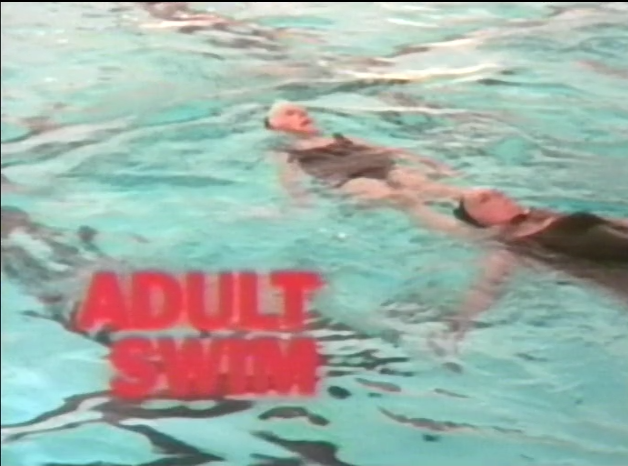
I am a child of the 90s and I'm particularly nostalgic for content of the era, so my contributions were mainly captures of old Nickelodeon, early Adult Swim, episodes of X-Files, SNL and Seinfeld. There's something about the rough and off the wall nature of marketing during this time that really stuck with me, and as nebulous as it might be I feel like capturing the "vibe" of the time is just as important as the actual content which is missing a bit of context in our modern time of on-demand streamable video. I'm not saying that this is by any means the best way to watch these shows, but for me it never gets old to stumble across a random block of old TV and spend a bit of time with it as if it was still 1995 or whenever.
A large amount of these consumer tapes are now reaching the end of their lifespan, and will ultimately decay and be lost if they are not preserved. This isn't something that can be at all considered profitable, so it is up to hobbyists to come and do the work that the major companies and rights holders simply have no incentive to do.
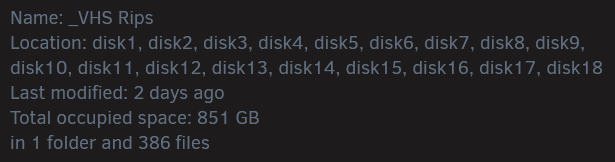
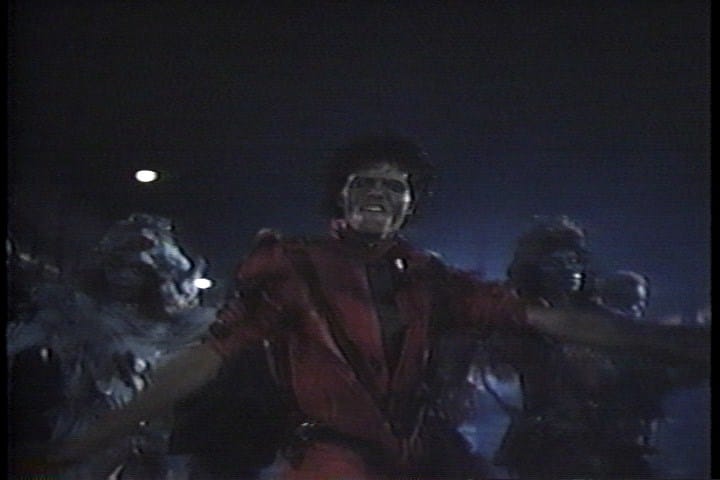
Consumer VHS copies of commercial films have an even smaller incentive for preservation, as VHS is probably the worst quality format that most films had been released on. There's no real reason for someone to pick a VHS copy over a Blu-Ray or DVD unless they only have access to a VCR which in 2025 is not likely at all. That being said, in the age of remasters and digital touch ups it's worth having a record of what a film was at the time of release and there is inherent value to capturing the viewing experience as a viewer at the time would have seen it.
As older movies are released on newer formats, things can subtly change without most viewers ever realizing it. Movie nerds though, being the particular bunch that they are, ALWAYS notice it. Things like color grading, small edits, framing, etc. can all change during a shift to a new medium. The biggest wide example with VHS copies of films in particular is the now dead open matte crop that many films would use to make the image fit on 4:3 televisions.
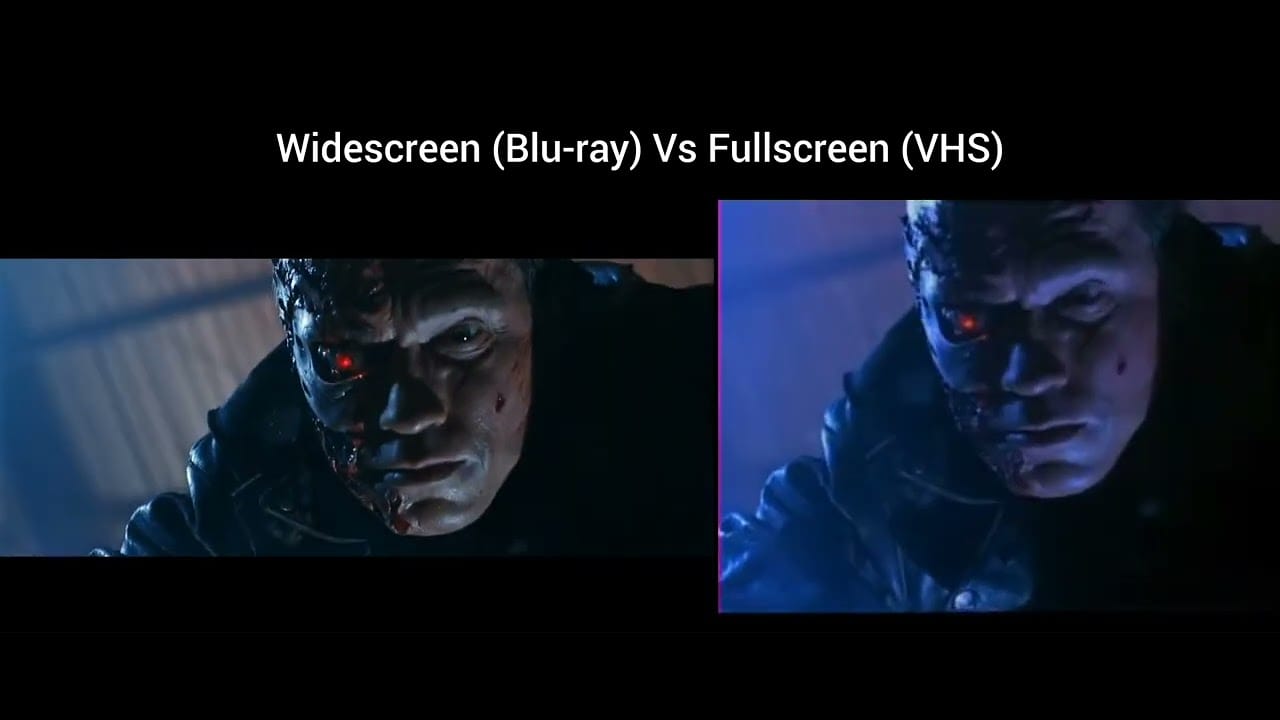
Compared to standard 16:9 widescreen framing, which would leave black bars at the top and bottom of the now small viewable image, and the pan and scan which would match the vertical height of a 16:9 frame to the 4:3 frame and pan left and right with the action, the open matte crop would instead show the 16:9 frame along with the missing top and bottom that is removed when a film gets mastered for widescreen. You can see extra parts of the frame this way that are unique to these VHS and sometimes DVD releases, and the extra space in the frame sometimes exposes parts of the scene that can have a dramatic effect (like seeing a gun that wasn't visible normally). Again, it's by no means the best way to watch this content but it's interesting from a film history perspective and worth preserving.
My film scan collection is by far the most impressive out of all these, both from a content and technical standpoint. I will update this post with a proper write-up when I have the time.